


November is the time to get your Napa estate ready for the rainy season. With properties over one acre, a thorough estate winter preparation plan is key. You need to protect irrigation and plumbing systems, comply with fire safety requirements, and prepare for colder, wetter months that typically run from November through March in Napa County. 1. Winterizing Irrigation and Plumbing Systems As Napa transitions from dry heat to cool, wet conditions, your irrigation and plumbing systems need attention. Freezing overnight temperatures and early rainfall can cause costly damage if pipes and lines are not properly shut down. Here’s how to get your systems winter-ready: Disconnect hoses from all outdoor spigots and store them inside Drain irrigation systems completely, including all lines and valves Install insulated covers on all outdoor faucets to prevent freezing Shut off water supply to irrigation if not automated already Inspect for leaks or weak points that could crack in cold weather Taking care of these steps now prevents surprise bursts and water waste later. 2. Heating Systems, Chimneys and Energy Efficiency As the weather cools, your estate’s interior systems need to be ready. Service your heating system and replace furnace filters now to ensure efficiency Schedule chimney inspection and cleaning if you use a fireplace Seal drafts around windows and doors with caulk or weatherstripping Check insulation in attics and crawl spaces. Add insulation or draft stoppers if needed These steps keep your home warm and can lower energy costs during Napa’s rainy season. 3. Fall Cleanup and Fire-Safety Compliance Napa’s rainy months often follow a dry season, increasing risks of fire hazards before the rain fully settles in. Fall cleanup is more than cosmetic; it’s about safety and prevention. Here’s what to handle: Trim dead or weak branches from trees and shrubs Rake leaves and clear debris to prevent mold and slip hazards Aerate and fertilize soil if needed to prepare for spring growth Add mulch around plants to stabilize soil temperature Plant California native cover crops like legumes or oats in vineyards or open soil to prevent erosion Clear vegetation within 100 feet of all structures to maintain defensible space These tasks prepare your property for storms and align with fire-safe guidelines. 4. Roof, Gutters, Outdoor Equipment and Lighting Napa estates often include multiple buildings and expansive outdoor areas. Now is the time to prepare them all. Clean out gutters and downspouts. Blockages can damage your roof or foundation Inspect roofing for missing shingles, loose flashing or signs of leaks Cover or store outdoor furniture to prevent winter wear Drain gas-powered tools or add stabilizer to protect engines Test smoke and carbon monoxide detectors in all buildings Check exterior lighting for safety and visibility on dark, rainy days Walk through outbuildings, barns or sheds to confirm they are weather-tight and secure. Why Choose Clerici Landscape Management for Your Napa Estate Winter Care Clerici Landscape Management specializes in winter estate care for Napa County’s largest properties. Their team understands the area’s microclimates, soils and seasonal transitions better than anyone. From full irrigation shutdown and defensible space prep to ongoing November landscape maintenance, Clerici offers estate-specific services that identify and solve problems before they escalate. Explore their services: Estate Maintenance Services Weekly Estate Maintenance Large Estate Management Schedule Your Napa Estate’s Winter Prep Today Don’t wait until the first big storm. November is the perfect time to winterize your property before Napa’s rainy season hits full force. Clerici Landscape Management offers a free property assessment to identify exactly what your estate needs. Contact us to schedule yours. Serving Napa and nearby areas, they’ll keep your estate protected, clean and thriving through every season.
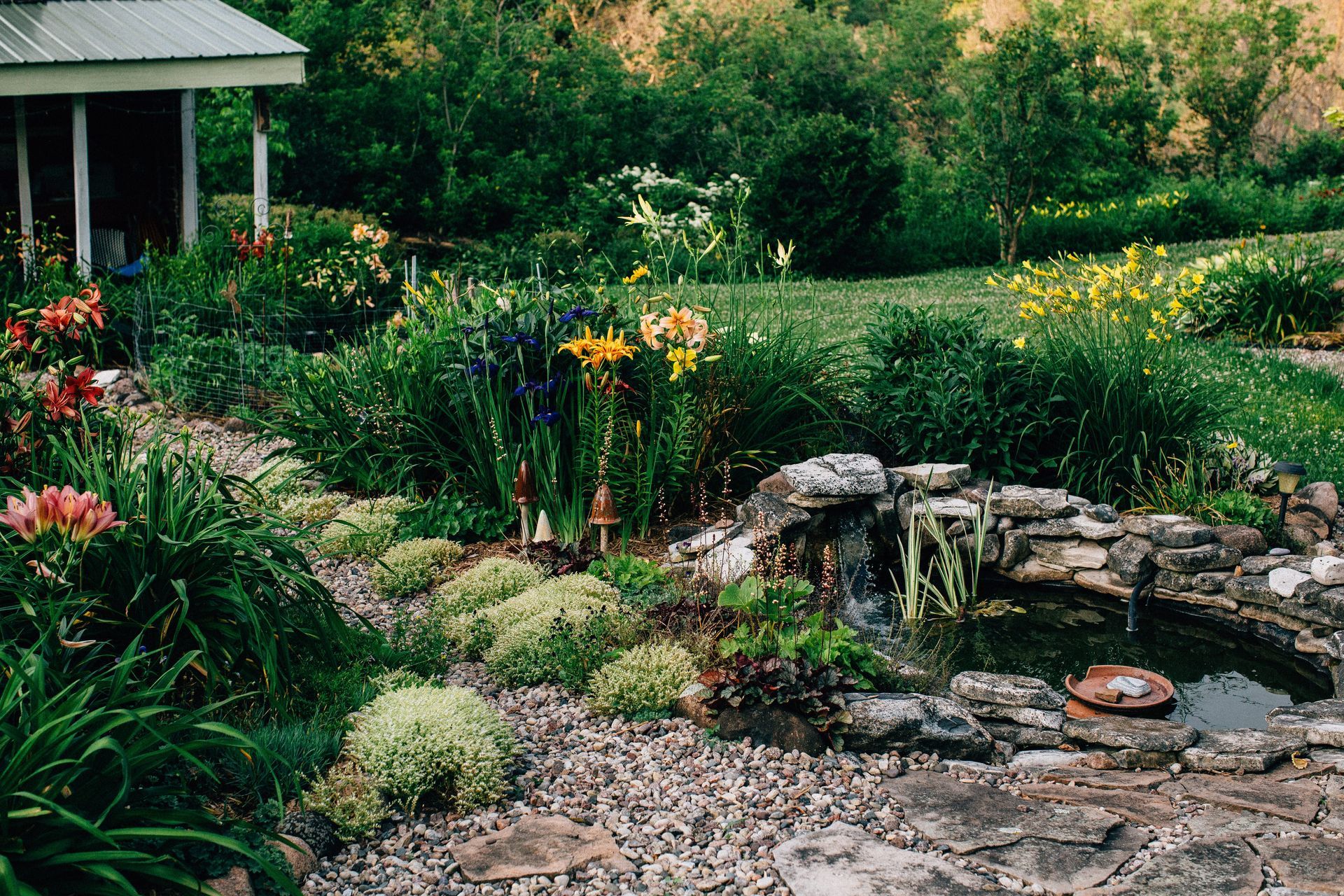
If you own a luxury estate in wildfire‑prone unincorporated areas of Napa County , understanding and complying with the county’s defensible space rules is essential. In simple terms: you must create and maintain clearly defined zones around your home, including an ember‑resistant zone within 5 feet of the structure, a primary defensible space zone out to 30 feet, and a reduced‑fuel zone extending up to 100 feet or to the property line. What Napa County’s Defensible Space Rules Require Napa County’s regulations define three main zones around a home that must be maintained to reduce wildfire risk. Each zone has specific actions required to limit fuel and slow the spread of fire near structures. Zone 0: Ember‑Resistant Zone (0–5 feet from the structure) This zone is your first line of defense: Clear all flammable materials within 5 feet of the building, including dry leaves, wood piles, and mulch made from combustible materials. Use non‑combustible surfaces such as gravel, stone or concrete, or approved high‑moisture perennials that will not readily ignite. Remove vegetation directly under windows, next to vents, or adjacent to chimneys and stovepipes. Zone 1: Primary Defensible Space (From structure out to ~30 feet) Once the first 5 feet are secured, the next 30 feet play a central role. Focus on: Mow annual grasses to a maximum height of 4 inches to reduce surface fuels. Remove dead leaves, needles, and small branches from shrubs and trees to minimize fuel loads. Create horizontal and vertical separation between plants. Shrubs should be separated from tree canopies. Ground fuels should be removed under shrubs and trees to prevent “ladder fuels.” Prune tree limbs up high (commonly 6–15 feet from ground or about one-third of the tree height for smaller trees) to keep tree crowns away from ground fuels. Zone 2: Extended Fuel Break (Up to 100 feet or to the property line) Beyond 30 feet out to 100 feet (or less if your property line is closer), prioritize fuel reduction rather than full removal. The goal is to slow the fire’s advance and provide a safer zone for firefighters. Reduce the density of vegetation so large clumps are separated by clear spaces. Remove dead, dying or highly combustible plants and trees. Work with neighbours when possible to create contiguous fuel breaks across adjoining properties. How to Use Fire‑Safe Planting and Aesthetic Principles on Estates You may own an upscale estate and want to maintain a refined look while still complying with fire‑safe landscaping in Napa. Here are practical tips that balance luxury aesthetics with fire safety. Smart Plant Selection Choose low‑fuel plants with high moisture content and moderate growth habits. Even fire‑resistant plants need proper spacing and maintenance to be effective. Within the ember‑resistant zone (the first 5 feet) avoid plants entirely if possible, or use very low flammable species and non‑combustible mulch or gravel. For the 30‑ to 100‑foot zones, choose ornamental shrubs and trees known for low combustibility and ensure they are spaced according to slope‑based guidelines (e.g., greater spacing on steeper slopes). Hardscape and Architectural Features as Fuel Break Strategies Introduce non‑combustible hardscape materials such as stone walkways, concrete patios, and metal edging near structures to act as a break in fuel continuity. Keep combustible materials like wooden fences and decorative wood elements out of the ember‑resistant zone. On hillside properties, remember fire spreads faster uphill. Spacing and fuel reduction must be more aggressive. Ongoing Maintenance and Compliance Set a regular maintenance schedule to clear fallen leaves, needles, dead wood, and other surface fuels. Compliance is not a one-time task. Ensure irrigation systems are functional so plants stay healthy and less fire-prone. Dry vegetation becomes more combustible. Keep records of fuel management efforts. Insurance providers may ask for proof of compliance with county defensible space requirements. Professional Fire‑Safe Landscaping for Luxury Estates
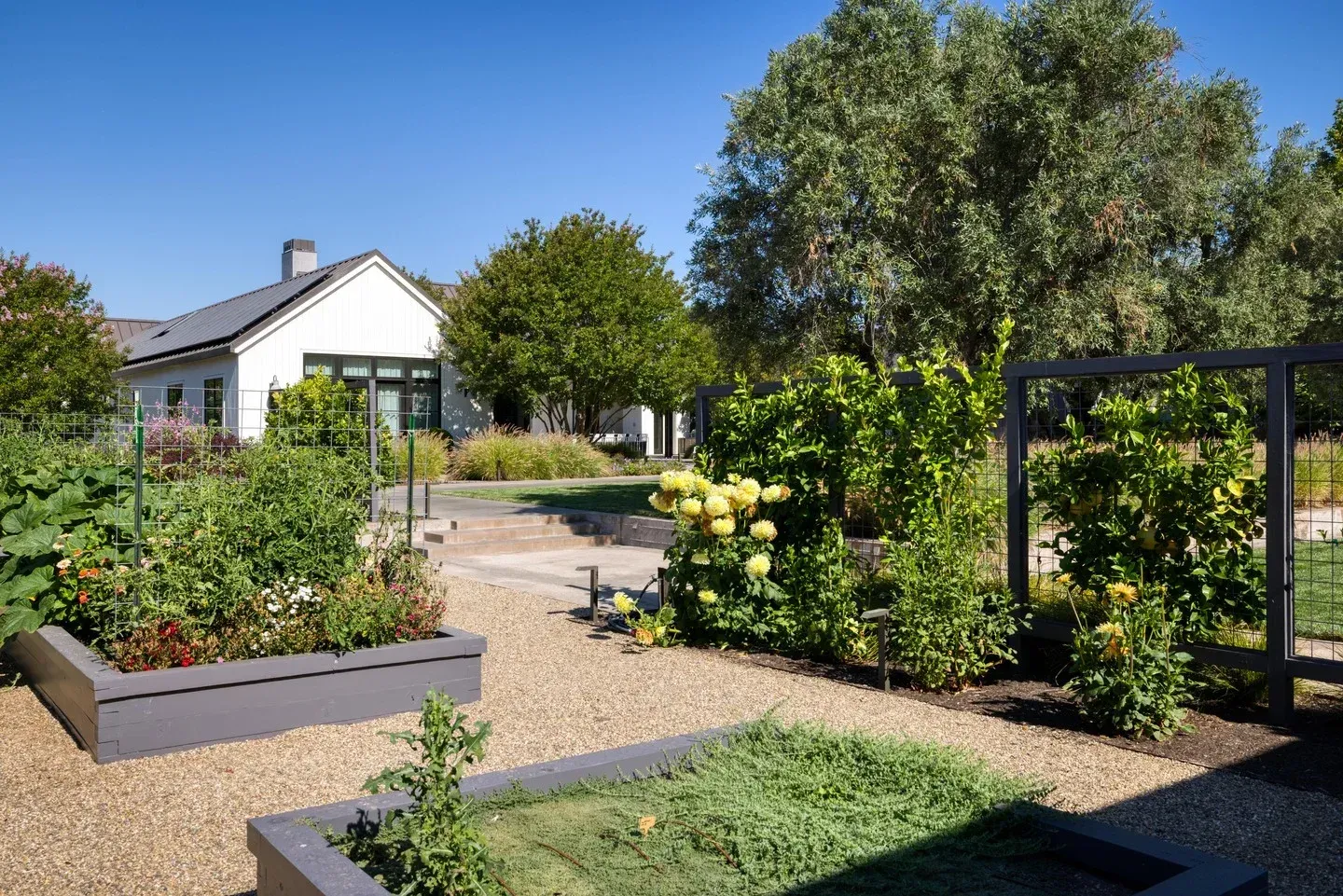
If you own a luxury estate in wild fire‑prone unincorporated areas of Napa County , understanding and complying with the Choosing native plants for your Napa Valley estate is one of the smartest ways to create a beautiful, sustainable landscape that thrives in our Mediterranean climate. Plants like manzanita, California lilac, and toyon require minimal water once established, offer fire-wise benefits, support local wildlife, and align perfectly with the refined aesthetics of luxury estate settings. With thoughtful design and hydrozoning, your landscape can shine year-round while significantly cutting water use. Understanding Napa Valley’s Mediterranean Climate and Water Realities Napa Valley’s climate is dry, with hot summers and mild, wet winters. These conditions make water-wise landscaping a necessity rather than a trend. Estate owners are increasingly expected to conserve water, especially during drought conditions common in California. This region receives limited rainfall, so selecting plants that naturally thrive here ensures your landscape performs without constant irrigation. Native plants are adapted to survive extended dry periods and can also help with defensible space strategies for wildfire-prone areas. Why Native Plants Belong in Luxury Landscapes Water conservation is only one reason to choose native plants for your high-end landscape. These species offer benefits uniquely suited to Napa Valley estates: Low Maintenance: Native species are built for local conditions, reducing the need for fertilizers, heavy pruning, and pest management. Fire-Wise: While no plant is fireproof, many natives like manzanita and California lilac have characteristics such as higher moisture content and lower resin levels that make them more suitable for defensible space zones. Wildlife Friendly: These plants provide natural food and shelter for birds, bees, and pollinators. Elegant Aesthetics: When used thoughtfully, native plants offer clean lines, seasonal interest, and sculptural forms that elevate estate designs. Native plants don’t make your landscape look wild; they make it look well designed and intelligent. Top Native Plant Picks for Napa Valley Estates Here are some exceptional native plants that thrive in Napa Valley’s Mediterranean climate and deliver visual impact: California Lilac (Ceanothus): Evergreen shrubs or groundcovers with deep blue flowers. Thrives with little water once established and comes in a variety of forms for different design needs. Manzanita (Arctostaphylos): Recognized for its red bark and structural beauty. Adds all-season interest and fits modern and natural designs. Toyon (Heteromeles arbutifolia): Large evergreen with white flowers and red berries. Attracts birds and fits beautifully into estate hedging or screen plantings. Western Redbud (Cercis occidentalis): A small ornamental tree with magenta blooms in spring. Drought-tolerant and ideal for visual accents. Douglas Iris (Iris douglasiana): Low-growing with blue-purple flowers. Great for shaded borders and mass plantings. California Poppy (Eschscholzia californica): Iconic golden-orange blooms. Reseeds easily and thrives on neglect. Deergrass (Muhlenbergia rigens): Elegant bunchgrass that adds movement and texture. Works well near paths or in massed plantings. California Fescue (Festuca californica): Cool-season grass ideal for partial shade. Offers soft, blue-green color contrast. To enhance visual interest, add succulents like agave and aloe in fast-draining areas, and use native junipers or Abelias for evergreen structure. Designing with Hydrozones and Water-Wise Principles Good design turns native plants into a sophisticated estate landscape. Here’s how: Group by Water Needs: Cluster plants with similar irrigation requirements for more efficient watering and healthier growth. Use Mulch: Mulch helps soil retain moisture, reduces evaporation, and enhances soil health. Install Drip Irrigation: More efficient than sprinklers, drip systems deliver water directly to the root zone. Choose Lawn Alternatives: Use native grasses or groundcovers in place of traditional lawns. Harvest Rainwater: Incorporate rain barrels or drainage basins to capture and reuse stormwater. Proper design not only conserves water but also lowers maintenance costs and promotes long-term plant health. How Clerici Landscape Management Can Help
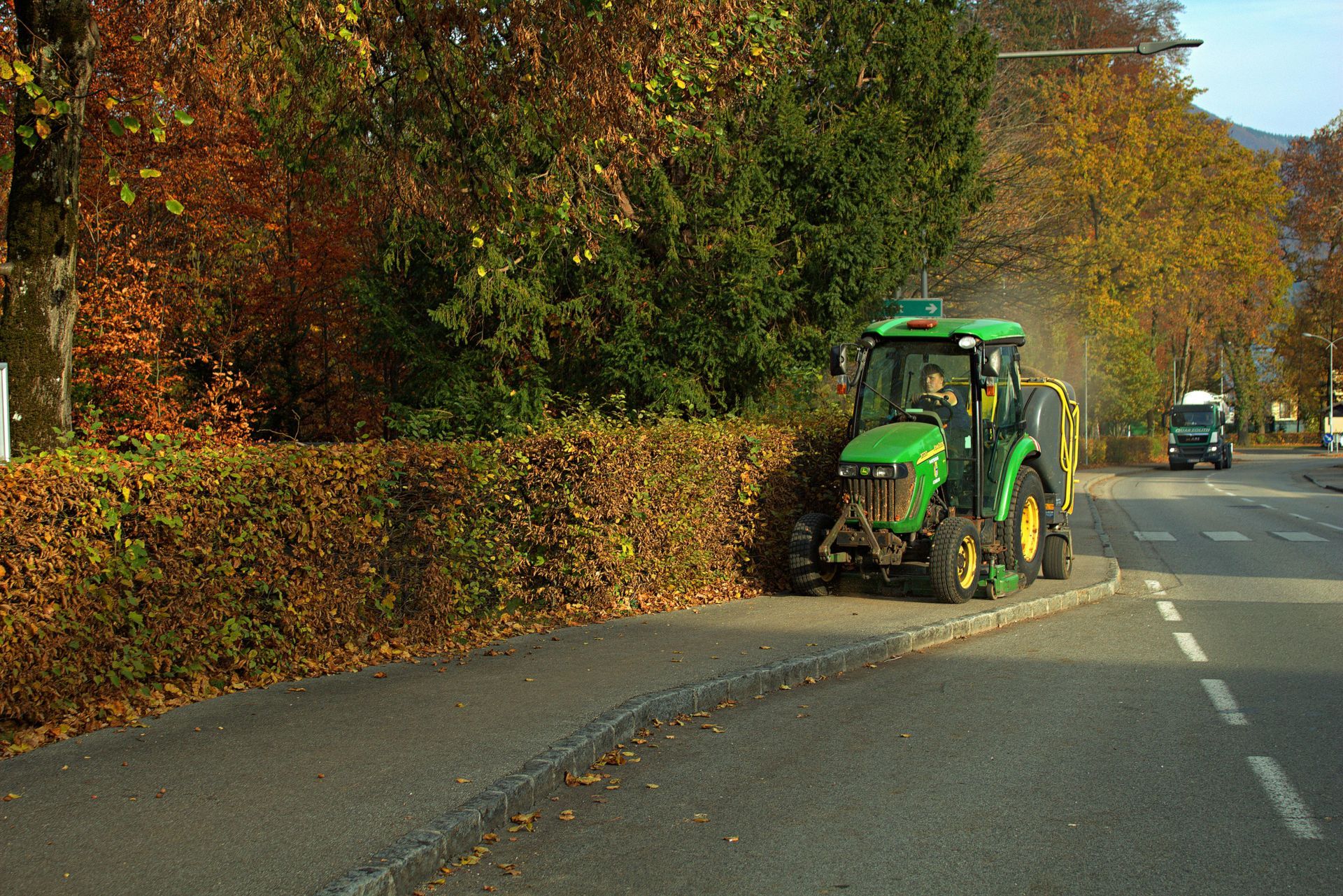
Yes, there are nearby landscaping services that offer fire-resistant landscaping solutions , and the work involves more than plant selection. A qualified team can help reduce ignition risk by improving spacing, cleanup routines, fuel reduction, irrigation performance, and defensible space design. If you live in a wildfire-prone area, the right landscaping company can help you create an outdoor space that looks refined and supports safer property conditions. A fire-resistant approach can slow fire spread and reduce ember exposure, especially around structures. What Fire-Resistant Landscaping Means (Simple Definition) Fire-resistant landscaping means creating an outdoor layout that helps reduce the chance of fire spreading quickly across your property. It does not mean your landscape becomes fireproof. Instead, this approach focuses on smart planning that helps: Lower the amount of dry fuel close to structures Reduce the chance of embers igniting plants or ground cover Slow flame movement through the landscape Support safer access around the home during high-risk months Think of it as wildfire-smart landscape planning. The goal is to design and maintain the property to reduce risk, especially around buildings, decks, fences, and outdoor living areas. What Services a Real Fire-Resistant Landscaping Company Offers If a landscaping company truly offers fire-resistant solutions, they focus on a combination of design upgrades and a long-term maintenance strategy. This is where homeowners see the biggest benefit because these improvements reduce risk while keeping the landscape clean and attractive. Here are the services that typically make up a real fire-resistant landscaping plan: Defensible space layout and plant spacing: A qualified team identifies high-risk planting zones and improves spacing to reduce the opportunities for fire to spread. Fuel reduction cleanup: This includes seasonal debris removal, such as dry leaves, pine needles, dead branches, and overgrowth that can ignite easily. Shrub and tree pruning: Professional pruning helps reduce ladder fuels, areas where fire can climb from ground-level plants into trees. Mulch and material upgrades: Many fire-smart plans include reducing combustible mulch near structures and replacing it with safer options such as gravel, stone, or hardscape borders. Hardscape improvements (fire breaks): Walkways, gravel beds, paver areas, and stone edging can help create natural fire breaks while also enhancing the space’s design. Irrigation adjustments for plant health: Stressed, dry plants ignite faster. A strong provider checks irrigation performance and improves watering coverage to support healthier plantings. At Clerici Landscape Management, this work is approached the same way we approach high-quality landscape care. We focus on detailed planning, clean execution, and maintenance programs that support long-term results. Signs You Need a Fire-Resistant Landscaping Upgrade If you are unsure whether your property needs this type of work, here is a simple checklist to help you evaluate your landscape. You likely need a fire-resistant landscaping upgrade if: Dry leaves gather around the home, deck, or landscape edges Shrubs grow close to windows or against the structure Plants sit too close together with little spacing Trees have low branches hanging above shrubs or rooflines Mulch sits directly against the foundation, fence, or outdoor features Overgrowth builds up during the dry season Irrigation problems cause areas to stay dry or stressed Dense plantings surround patios, decks, or entryways Even one of these issues can raise risk. During hot, dry stretches, embers can travel and quickly settle in landscape beds. How to Choose the Right Local Landscaping Provider If you search for fire-resistant landscaping near me, you will see that not every landscaping company offers true fire-smart solutions, even if they claim they do. The safest way to hire the right team is to ask targeted questions before you commit. Questions to ask before hiring: Do you offer defensible space planning or wildfire-smart landscaping improvements? Can you recommend spacing and layout changes rather than only providing maintenance? Do you provide pruning that focuses on reducing fuel ladder risk? Can you help reduce dry debris and manage seasonal fuel build-up? Do you offer upgrades such as gravel borders or hardscape fire breaks? Will you maintain the property on a schedule after improvements are complete? A strong provider will explain their process clearly, walk the site with you, and outline exactly how they reduce risk while keeping the landscape visually polished. Why Ongoing Maintenance Matters Most This is the part many homeowners miss. Fire-resistant landscaping depends on consistent maintenance. Even well-designed landscapes can become high risk if debris, dead growth, and overgrowth accumulate over time. Ongoing maintenance helps: Control leaf litter and debris that embers can ignite Keep spacing and pruning consistent throughout the year Remove dead growth before it becomes a hazard Keep irrigation systems operating correctly during dry months Maintain fuel reduction standards across the property For many properties, maintenance makes the biggest difference because it keeps the defensible space strategy active year-round, not only right after upgrades are completed. Schedule a Fire-Resistant Landscaping Assessment If you are looking for nearby landscaping services that offer fire-resistant landscaping solutions, the next step is a property assessment. A professional evaluation can identify high-risk areas and outline practical improvements that reduce fire risk while preserving the look and structure of your outdoor space. Clerici Landscape Management provides landscape management and planning to support wildfire-smart upgrades and long-term maintenance. You can visit Clerici Landscape Management online to review their services and see if their approach fits what you are looking for, then reach out to schedule an assessment if you are ready to move forward.